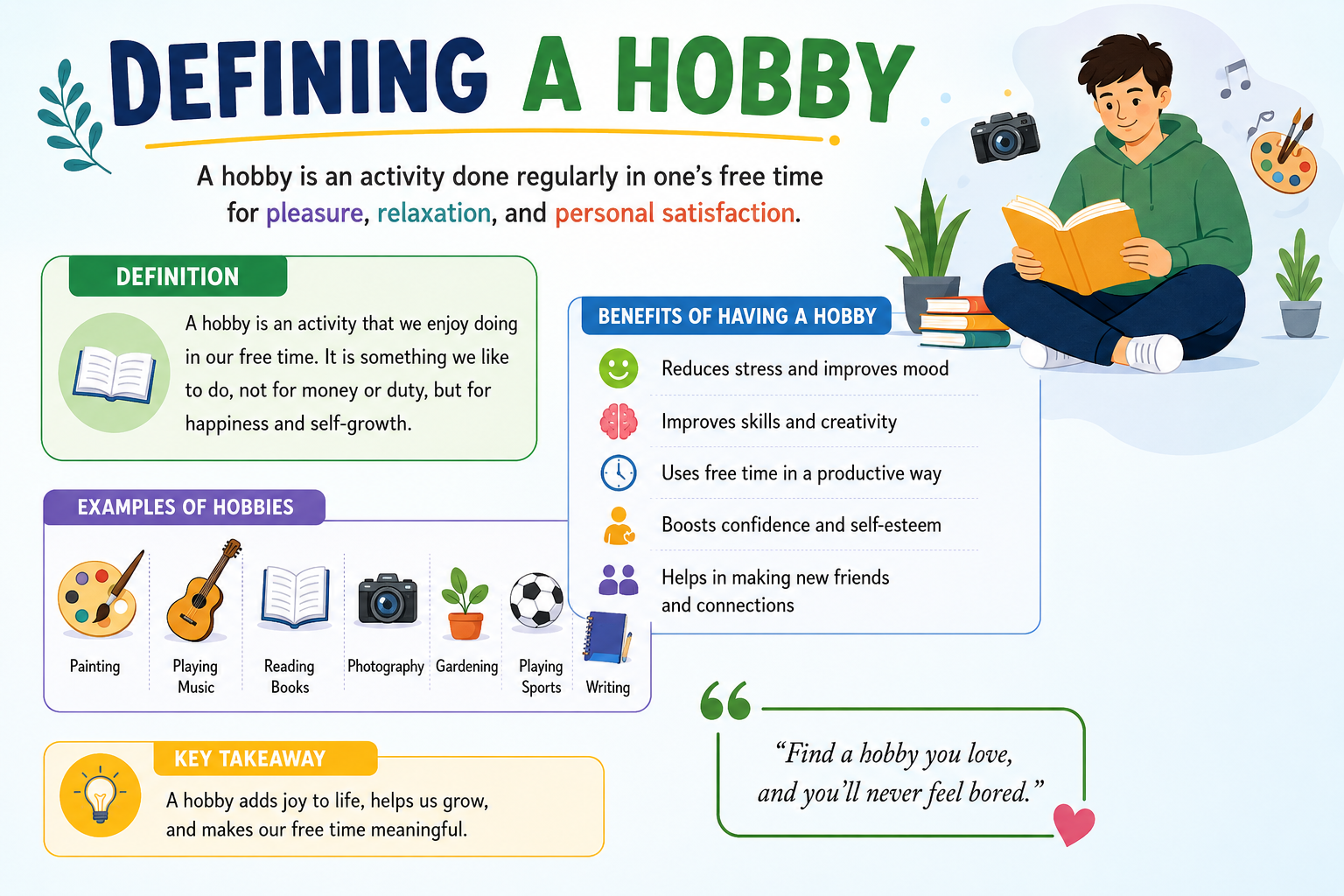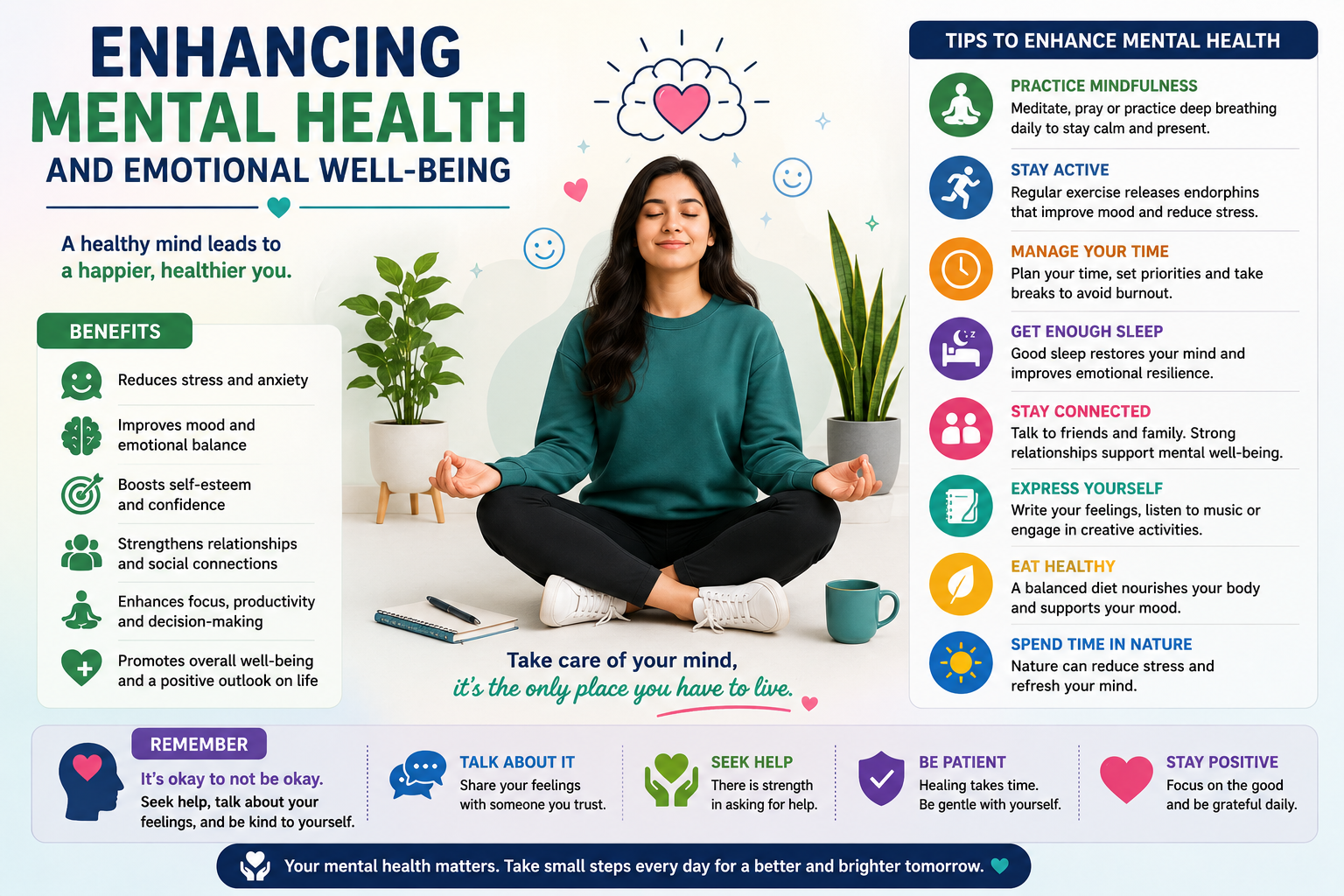
Stress has become a common part of modern life, affecting physical and mental health. Hobbies offer a productive escape from stress, helping individuals unwind and recharge. Engaging in activities you love triggers the release of endorphins, the body’s natural “feel-good” chemicals. This can lead to improved mood and reduced anxiety levels.
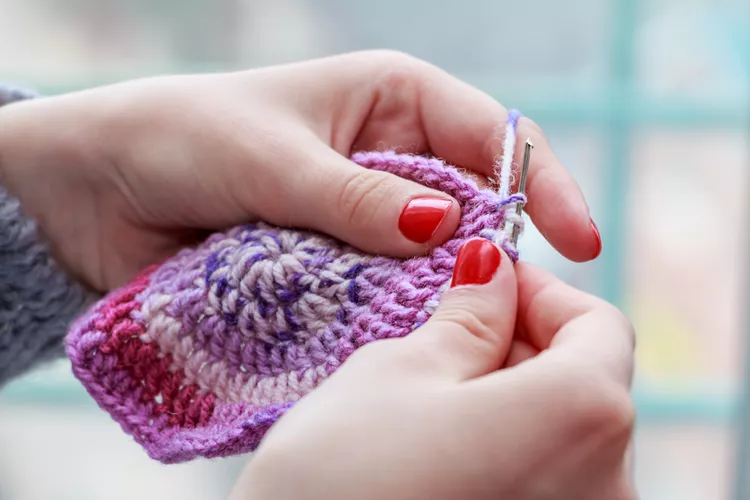
For instance, hobbies like gardening or knitting promote mindfulness, a state of being fully present in the moment. Mindful activities shift focus away from stressors and allow the mind to relax. Physical hobbies such as jogging or yoga, on the other hand, combine the benefits of exercise with stress reduction.
Health Benefits of Hobbies
Hobbies have been found to have both psychological and physical health benefits.
One study found that those who engage in physical leisure activities for at least 20 minutes once a week are less susceptible to fatigue.1 Other research found that enjoyable activities performed during leisure time were associated with lower blood pressure, total cortisol, waist circumference, body mass index, and perceptions of better physical function. Such activities were also correlated with higher levels of positive psychosocial states and lower levels of depression and negative effects.2
Taking a Break
Hobbies provide a slice of time in your schedule free of responsibilities. This can be especially beneficial for people who feel overwhelmed by all that they have to do.
For those who feel overwhelmed by responsibility, it may be difficult to find the time or give themselves permission to take a break from a busy schedule and just sit and relax.
Engaging in hobbies can provide a break with a purpose which can help people feel they’re not wasting time, but rather using their downtime for something productive.
Regardless of your perspective, hobbies provide a nice break during a busy week.
Experiencing Eustress
For those who aren’t overly stressed and may actually be under-stimulated, hobbies provide a nice source of eustress, the healthy kind of stress we all need to remain feeling excited about life.
If the rest of your life is somewhat dull or uninspiring, hobbies can provide meaning and can break up a boring schedule without being a task that feels like work. In other words, hobbies can provide just the right amount of challenge and excitement.
Having a Social Outlet
Many hobbies lend themselves to group activities: golfing rotations, knitting circles, and creative writing groups are good examples.
Hobbies that connect you with others can bring the added benefit of social support, which can bring stress relief and meaning to life in a fun way. Shared interests and time spent together can create close connections, so hobbies that bring you closer to others are well worth your time.
Why Social Support May Be the Best Way to Help Reduce Stress
Enjoying Positive Pleasures
Positive psychology, a relatively new branch of psychology that studies what makes life worthwhile, has discovered that pleasures—activities that bring fun to life—can be wonderful for relaxation and enjoyment of the present moment.
Pleasures can bring a lift to your mood. Since hobbies generally bring pleasure into people’s lives, maintaining hobbies can be good for your overall sense of joy.
Receiving Gratifications
Positive psychology also tells us that gratifications are important activities for bringing meaning and fun to our lives. Gratifications present the kind of challenge that requires people to use personal skills and engage them in a sense of flow. This can put people in a near-meditative state where they lose track of time and feel removed from the stressors of life. It gives us an opportunity to fully engage in what we are doing.
Gratifications can lead to a reduction in stress and a sense of well-being, and hobbies are usually experienced as gratifications. If you want more happiness and less stress in your life, hobbies provide a direct route to this through gratification.
Staving Off Burnout
Hobbies bring a sense of fun and freedom to life that can minimize the impact of chronic stress. Those who feel overwhelmed at a job, for example, can benefit from hobbies as an outlet for stress and something to look forward to after a hard day.
Some research shows that those with jobs that often produce burnout (low-control, high-demand jobs, for example) feel less of a need to “recover” from their day at bedtime if they have more physical or social leisure activities that aren’t work-related– in other words, if they have more hobbies.3
In this study, those who had a need to “recover” at bedtime were more likely to suffer from negative health and wellness outcomes like psychosomatic complaints and fatigue.